A single number
One referral line for bed bug calls across Sterling Heights.
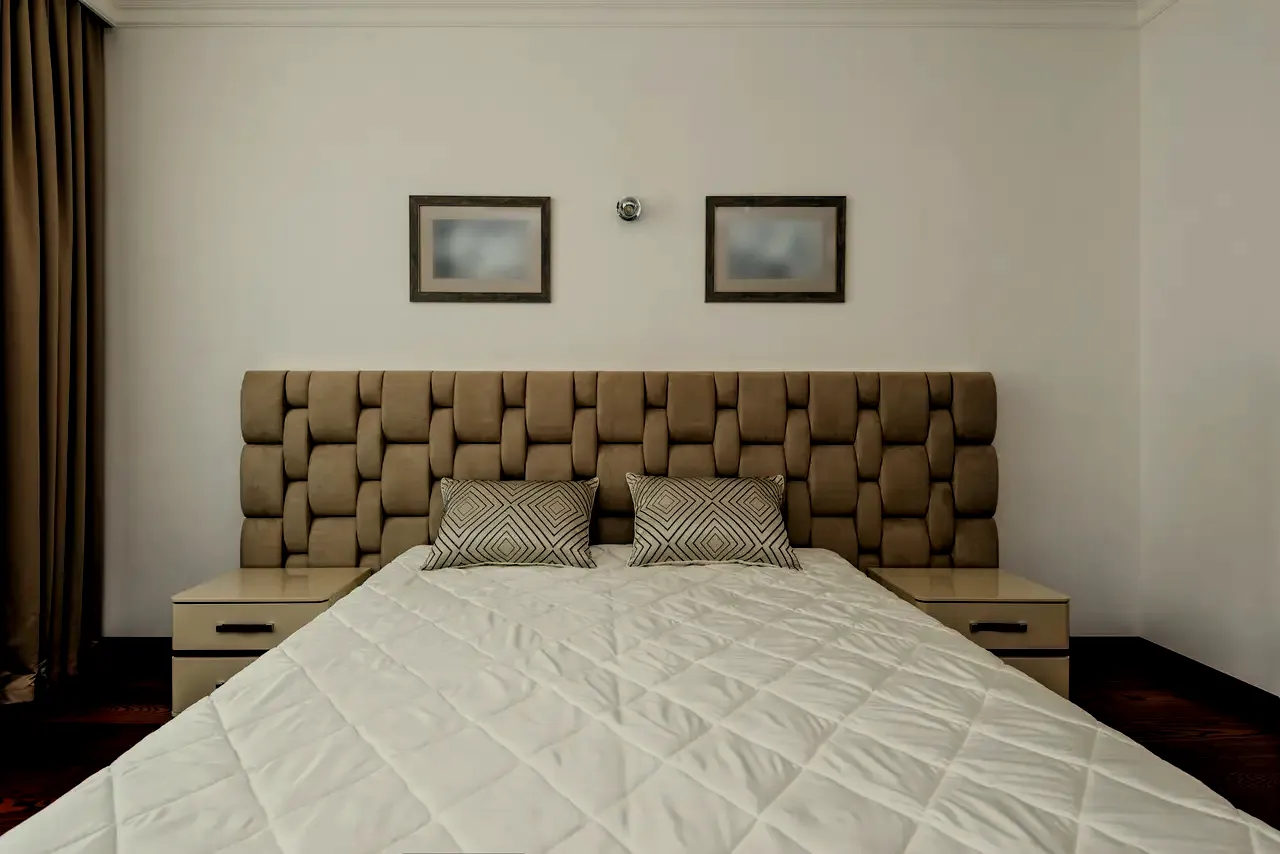
A bed bug inspection in Sterling Heights tells you whether an infestation is really there before treatment is booked. A provider usually checks mattresses, box springs, headboards, couch seams, baseboards and outlet plates, whether the home is a house, a condo or an apartment, and then explains what was found. If there is no sign of bed bugs, you avoid paying to treat something that is not there. If there is activity, the inspection shows where, so the plan is built around your home instead of guesswork.
One referral line for bed bug calls across Sterling Heights.
Providers usually inspect before talking about cost.
Calls go to providers who serve Sterling Heights.
Search MDARD's licensed business list.
Most inspections cover each room in turn, look over furniture and carpet edges, record what turns up in notes or photos and end with a talk about next steps. Whether to treat is decided afterward. The sections below explain the visit and the questions worth asking.
The search usually starts at the bed, with the mattress seams and tags, the box spring corners, the frame and the headboard. Sofas and chairs come next, with a close look at seams and cushions. Early infestations turn up here most often, when treatment tends to be easier to plan.
Bed bugs also hide along baseboards, behind outlet plates, under loose carpet edges and inside nightstands. A provider normally checks these spots with a flashlight and a thin card or tool. Some also use a detection dog or a thermal camera; ask which tools are used and how a find is confirmed.
On seams and bedding, the provider searches for live bugs, tiny pale eggs, cast skins and dark spots. A heavy infestation may have a musty odor. Bites alone do not confirm bed bugs, so the provider needs physical evidence before calling it an infestation.
Ask for the results in writing: the date, the rooms checked, where evidence was found and what kind, plus photos where possible. A written record helps if you need to raise the problem with a landlord or property manager. Verbal results are easy to forget once the visit is over.
Before the provider leaves, ask them to walk you through the findings. If no activity was found, ask what else might cause the bites and how to keep watch. If activity was found, ask which treatments suit the home, what prep is needed and how the cost is set before you commit to anything.
Describe what you have found and learn the next step from a provider in your area.
A bed bug inspection in Sterling Heights is a careful search of the places bed bugs hide, not a quick sweep with a flashlight. A provider typically lifts the mattress, checks its seams and the corners of the box spring, then works through headboards, nightstands, dressers, baseboards and outlet plates. The search is for live bugs, cast skins, tiny pale eggs and the dark spotting found near an active harborage. Some providers bring a detection dog or a thermal camera; ask which tools they rely on and how every alert is confirmed. Ask for written findings before the visit is over.
Housing in Sterling Heights is one reason an inspection is useful. Census figures show 24.2 percent of occupied homes in the city are rented and 21.3 percent of housing units are in buildings with two or more units, and Michigan's health department notes that bed bugs in multi-unit housing can spread to neighboring homes. A common puzzle is bites with no bug in sight. A professional inspection answers it with evidence, so you neither pay for treatment you do not need nor wait while a real infestation spreads to another bedroom.

Call (000) 000-0000 and describe what you have seen: bites, live bugs, spotting on sheets or a notice from your landlord. Have your address or ZIP ready, plus the number of rooms, whether it is a house, condo or apartment, and when the signs started. An independent local provider takes the call and picks the visit time with you.
Before the search, the provider usually walks through the home with you and explains the steps. Many ask you not to move furniture or strip the beds ahead of time, because disturbed bugs scatter and hide. If you have already washed bedding, say so. Mention pets, children and health concerns so the visit is safe for everyone at home.
Providers normally start at the bed and then check seams, frames, headboards, nightstands and baseboards, working outward from where people sleep. Some add a detection dog or a thermal camera; ask how alerts are confirmed. Each confirmed find should be recorded, with a photo when possible, so the notes reflect what was really seen.
Ask the provider to note every spot with activity, how heavy it appears in each room and which items can likely be treated. Good written findings list the date, each room checked, what kind of evidence was seen and photos where they can be taken. Renters should request a copy a landlord or property manager can follow. Clear wording helps everyone.
Once the search ends, ask the provider to go over the findings with you. If there is no activity, ask what else might explain the bites and how to keep monitoring. If bugs are active, ask about the choices, from heat to targeted chemical work, and how the price is worked out. The choice is yours, with no obligation.
Some providers use trained dogs that respond to the scent of bed bugs. Ask how every alert is confirmed by sight before it goes into the findings.
A thermal camera is used by some providers along baseboards, wall edges and carpet edges. Ask what the image shows and whether a suspect spot is checked by hand before it is reported.
Steam is often used in follow-up and spot work on mattress seams and fabric folds. Ask whether the provider uses steam, what it is meant to reach and how it fits the plan for your home.
Interceptors under bed legs and monitors near hiding places show whether activity continues after treatment. They gather evidence over days and weeks, not just during the visit.
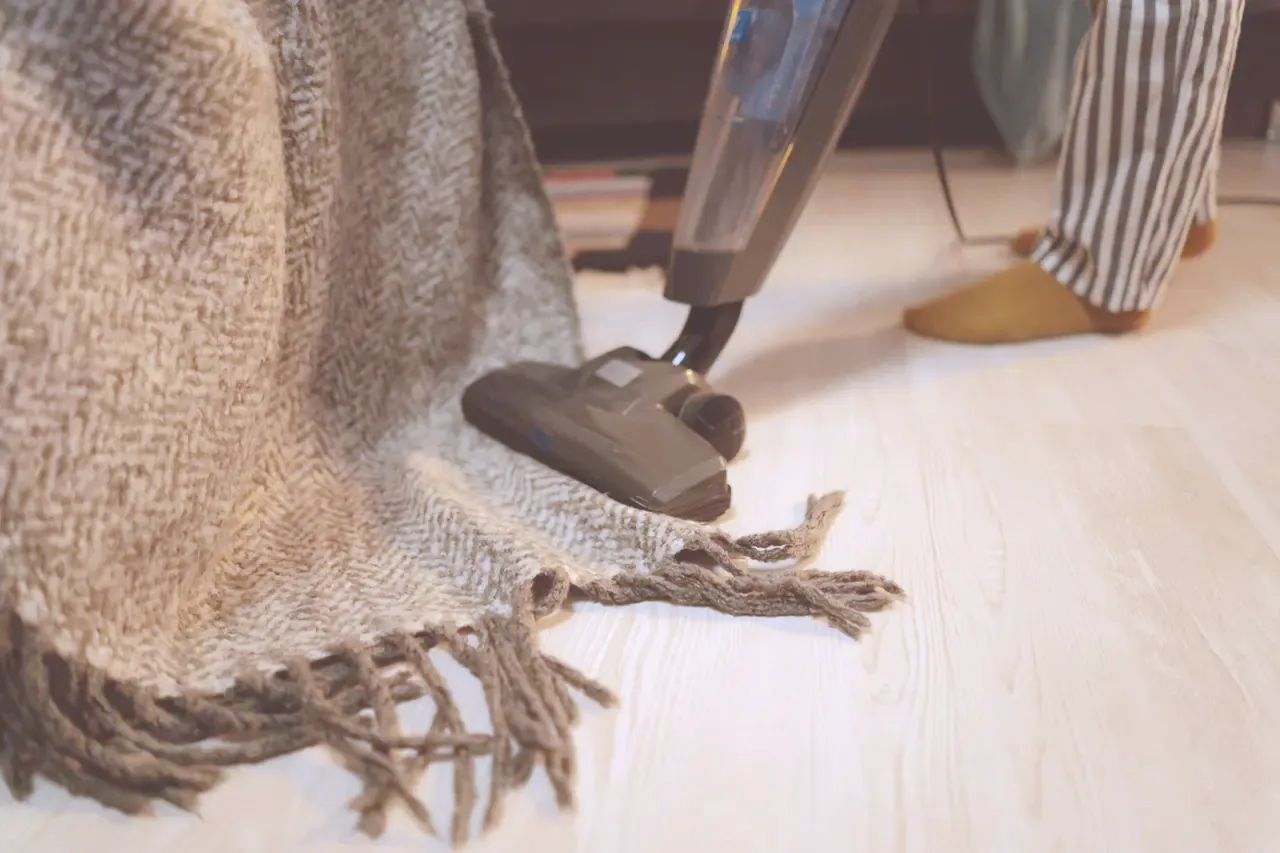
A HEPA vacuum can pull live bugs, cast skins and debris from seams and carpet edges during prep. Check with the provider before vacuuming ahead of the visit.
A bright flashlight and a thin card or scraper help a provider see into seams, cracks and screw holes. You can use the same basic tools to check on your own before calling.
Whatever the tools, ask whether each alert or suspect spot is confirmed by seeing a bug, an egg or a skin. Findings based only on an alert are harder to act on. A confirmed find gives you something clear to show a landlord or another provider.
If treatment follows, Michigan requires businesses that apply pesticides for hire to hold an MDARD Pesticide Application Business License, and their applying employees must be certified applicators or registered technicians. Ask the provider for its license details and look the company up on MDARD's Find Businesses Licensed by MDARD page.
Integrated pest management pairs inspection and preparation with sealing hiding spots and treating only where bugs are, rather than spraying every surface. Michigan's health department warns that bed bug foggers are not effective. Ask how the provider uses monitors to check results and adjusts the plan to what they find.
Many providers suggest encasements for mattresses and box springs to trap bugs inside and remove hard-to-treat hiding spots. Used with interceptors, encasements make later checks easier. Ask which type the provider suggests.

Bites by themselves are not proof, since reactions differ from person to person and other insects bite too. Before calling, check mattress seams and the headboard with a flashlight, and put any bug you find in a sealed bag or take a clear photo. The inspection then looks for physical evidence: live bugs, eggs, skins or spotting. You learn whether bed bugs are there and where, instead of washing sheets with no result.
Tell the landlord in writing and keep a dated log with photos. Written inspection findings show the rooms checked, where evidence was found and what it was. Under Michigan law (MCL 554.139), a residential landlord covenants that the premises and common areas are fit for the use intended; this site gives no legal advice on how that applies to you.
Check the seams, frame and joints of the item with a flashlight, along with nearby baseboards. Michigan's health department calls bed bugs hitchhikers that travel in furniture. If you are still unsure, an inspection covers the piece and the room around it. If nothing shows up, ask about monitoring; if bed bugs are confirmed, ask about treating the piece before they reach the bedrooms.
A provider can usually inspect rooms, furniture and shared areas and give written findings for your records. On larger properties, ask about inspecting one section at a time to limit disruption. Michigan's health department calls bed bugs hitchhikers that travel in suitcases and other moved items, so ask how guest rooms and shared areas will be checked.
Most Sterling Heights homes date from the 1970s or earlier: the median year built is 1977, 57.8 percent of units were built before 1980 and 8.4 percent before 1960, while 4.4 percent date from 2010 or later. In condo and apartment buildings, bed bugs can travel through shared walls and outlets, and Michigan's health department notes they can spread to neighboring homes, so providers often ask about checking adjoining units as well as the one that reported. Bed bugs are an indoor pest in every month, and the same department calls them hitchhikers that travel in furniture and suitcases. Calls are connected for all four Sterling Heights ZIP codes: University Estates and Lakeside South in 48313, Pinebrook and Tarryton in 48310, Sterling Country Estates and Seville Gardens in 48312, and Dresden Village and the North Van Dyke Avenue district in 48314. Renters can ask for written findings to give the landlord, and owners can ask how treatment choices and cost are worked out.
University Estates, a recorded subdivision in ZIP 48313, alongside Lakeside South and Nottingham Cove. Where a home shares a wall, ask whether that wall needs checking as well.
Pinebrook, a recorded subdivision sharing ZIP 48310 with Tarryton and Winthrop. In houses, providers usually start at the beds and work out to sofas and outlets.
The North Van Dyke Avenue district in ZIP 48314 takes in the District Core, Utica Triangle and Parkside. Around moves, check bed frames and keep a specimen or photo.
ZIP 48313 also takes in Lakeside City Center, the planned mixed-use center on the former Lakeside Mall site, and Lakeside Village. Used furniture and travel bags are common ways in, so check the item and the room it sits in.
Bed bugs can pass between units through wall voids and gaps around pipes and outlets, which is how they reach neighboring homes. Providers often ask to inspect adjoining units, and managers usually arrange access.
Bed bugs live indoors all year, so Sterling Heights has no bed bug season to wait out. Arrange an inspection whenever bites or other signs appear.
Used couches, mattresses and dressers are a common way in, and Michigan's health department calls bed bugs hitchhikers that travel in furniture and suitcases. Look items over before bringing them inside.
About 24.2 percent of occupied Sterling Heights homes are rented, and every move brings furniture and luggage through shared buildings. Written results let managers plan treatment across units.
A typical call: a tenant has had bites for weeks but has not found a bug. The landlord asks for documentation before arranging treatment, while the tenant washes bedding every day and sleeps badly.
What to expect: beds, box springs and baseboards are searched for physical signs. If bed bugs are confirmed, the written findings give the landlord a basis to act. If they are not, ask the provider what else could explain the bites.
After that: Interceptors under the bed legs help show whether bugs remain active. Ask when a follow-up inspection should be booked, and report any new signs to the landlord in writing.
A typical call: someone brought home a secondhand couch and began getting bites a few weeks later. They are deciding whether to leave the couch at the curb and treat the whole house.
What to expect: the inspection tells you whether the bugs are confined to the couch and the baseboards beside it or have moved on. That shows whether targeted treatment or a whole-home plan makes more sense. Ask the provider to explain each option before you choose.
After that: Ask about mattress encasements and when a return inspection should happen. Leave the couch in place until the provider has examined it.
A typical call: one unit has been reporting bites for weeks, and the manager hears other tenants mention itching even though none has put it in writing. The manager wants the whole building looked at before agreeing to treatment.
What to expect: the provider may suggest inspecting the reported unit, the units on each side and any others that share walls. Findings are logged unit by unit. Ask how the provider chooses which units get treated and how return visits work across the whole building.
After that: Ask about interceptors in the units with activity and a written follow-up plan. A short bed bug notice given to new tenants at move-in can prompt earlier reports.
Many calls from Sterling Heights start the same way: bites, no bugs in sight and plenty of guessing. An inspection swaps guesswork for evidence and a plan.
You keep washing bedding and vacuuming, but nothing changes. An infestation may be growing out of sight behind the headboard or inside the box spring. Bites prove little by themselves, and carpet beetle larvae can also irritate skin. A provider searches for physical signs and confirms anything found. Ask for written findings that say whether bed bugs are present and, if so, exactly where they hide.
Without documentation, the back-and-forth can drag on for weeks while bed bugs reach another room. Report in writing, keep dates and photos, and ask the provider for written findings that list the rooms checked, where evidence was found and what kind. For property maintenance concerns, Sterling Heights Code Enforcement takes complaints through the city, separately from this referral line.
Secondhand couches, mattresses and dressers are a common way bed bugs reach homes, and Michigan's health department calls them hitchhikers. Waiting for bites gives an infestation time to spread through the room. A provider can look over the piece and its room, including the seams, the frame and the baseboards close by. If no signs turn up, ask about monitoring. If bugs are found, ask how the piece can be isolated and treated before bugs reach the bedrooms.
Shared walls and outlets let bed bugs move between units, and Michigan's health department notes they can spread through walls, ceilings and hallways. Treating your unit alone may fall short if the source is next door. Put the report to the landlord or manager in writing, and ask the provider whether shared walls and neighboring units need a check. If activity spans units, the building usually needs to coordinate so both sides are treated, which ends the cycle rather than restarting it.
Set by the provider after the call; houses, condos and larger buildings are scoped differently
This site does not set what an inspection costs; the provider you are connected with does. Cost usually depends on the size of the home, the number of rooms to check, whether it is a house, a condo, an apartment or a whole building, and which tools are used. Ask whether the inspection is billed separately from any treatment, how treatment is costed after the findings and whether the inspection is charged whatever the result. You are not obliged to book after the call or the visit.
An inspection reveals how far the problem goes before you agree to full treatment. If treatment is needed, the findings help the provider cost the work and plan to reach every hiding place, which may help you avoid paying for extra visits.
A studio or one-bedroom unit takes less time than a three-bedroom house with a finished basement. More rooms usually mean a longer inspection. Ask how the number of rooms and the size of the home shape the cost.
Houses, condos, apartments and multi-unit buildings are often scoped differently. Some providers charge differently for several units inspected in one visit than for a single unit. Commercial spaces are usually scoped after a phone call. Ask how your property type is costed.
Cluttered rooms take longer because bed bugs have more places to hide and the provider must reach seams and edges. Ask whether clutter changes the cost. Heavy clutter may need some prep before the inspection; ask what the provider wants done first.
Using a detection dog or a thermal camera may cost differently from a visual search alone. Ask what search method the provider brings to Sterling Heights homes and what it adds.
Calls are connected for 48310, 48312, 48313 and 48314, the four ZIP codes that lie entirely inside Sterling Heights. Ask if an evening or weekend visit costs more. This referral line does not set the schedule or the price; the provider does.
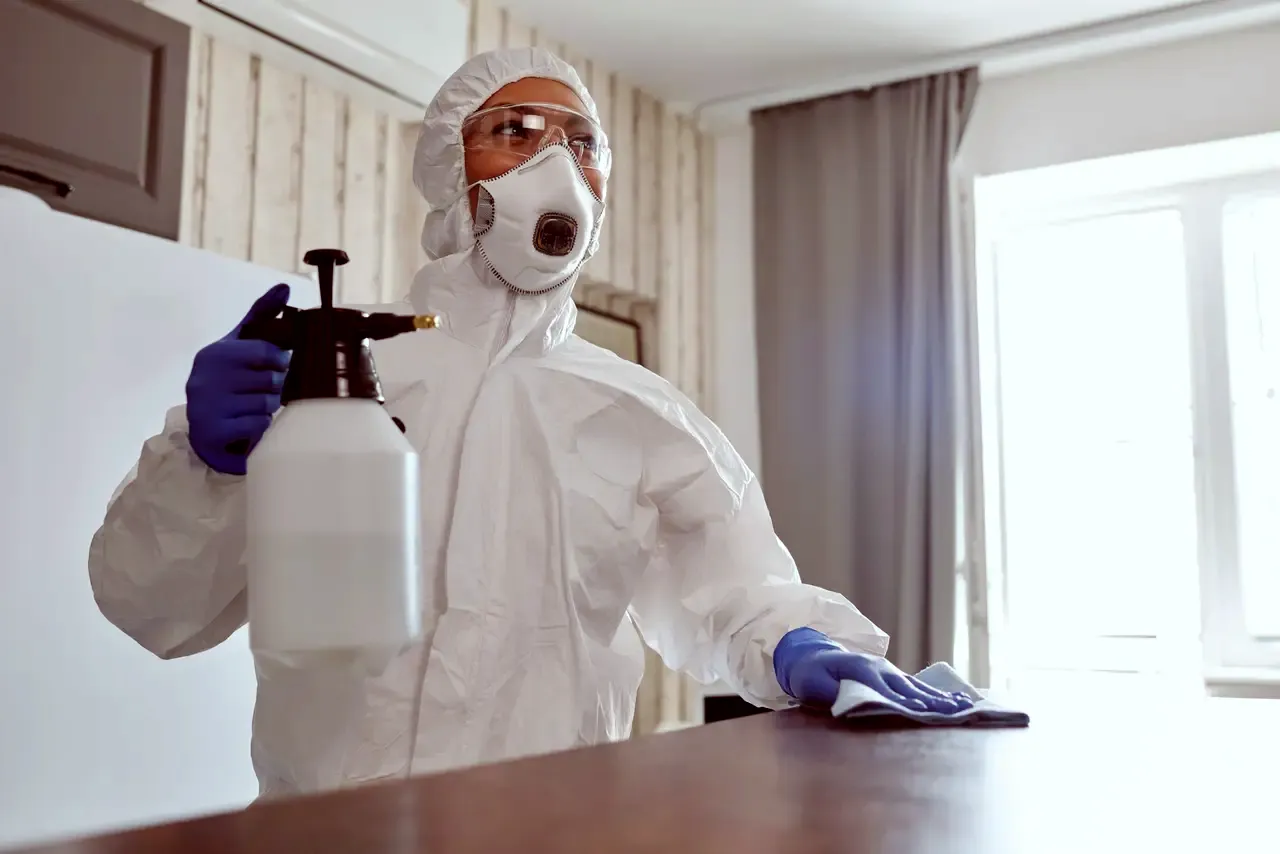
This site only refers calls; it is not a pest control company and does no inspecting or treating. Calls go to independent local providers, and vetting the one you hire is your decision. In Michigan, the MDARD Pesticide Section licenses businesses that apply pesticides for hire, and you can look a company up on MDARD's Find Businesses Licensed by MDARD page before work starts. Applying employees must be certified applicators or registered technicians. Ask the provider how they inspect, whether a dog or thermal camera is used, whether neighboring units are checked and whether findings are written down. A house, a condo and an apartment can each call for a different search.

A homeowner is about to throw out a mattress after finding marks on the sheets. A provider typically checks the mattress, box spring and headboard for physical evidence before suggesting a plan. Ask for photos and written findings, and keep the mattress until it has been checked. Any treatment advice and cost come from the provider, not from this site.
A landlord has one tenant reporting bites for weeks while the other tenants have said nothing. The provider will likely ask which units share walls and suggest inspecting those nearby. Findings are usually recorded unit by unit. Ask how return visits work, and keep the written results to explain the plan to owners and tenants.
A renter keeps getting bitten but has never seen a bug. The inspection may find no bed bugs, and the provider may point to a look-alike such as carpet beetles, whose hairy larvae and bristly shed skins differ from bed bugs. Bat bugs closely resemble bed bugs, but this service does not cover them. Ask which signs to watch for and when to call back.
A provider usually checks each room where people sleep or sit, lifting mattresses and examining seams, frames, baseboards, outlets and furniture. Some also bring a detection dog or a thermal camera. Ask how long a visit takes for your home, and ask for photos and written findings. Treatment is a separate step from the inspection, which leaves you time to look over the results and choose what to do.
In most cases it is the sensible first step. Treating without confirming live bugs can mean paying for heat or chemical work that was not needed. An inspection also pinpoints hiding places so treatment can reach each one. Skipping it is a common reason bed bugs come back. Ask the provider to confirm activity before costing any treatment.
Every method can miss a few bugs. A thorough visual search is the core of most visits, and some providers also bring a dog or a thermal camera, so ask how they confirm what the dog or camera flags. Carpet beetles and other look-alikes can muddy the picture, and bat bugs, a close relative, fall outside this service. If the search comes up empty while bites continue, ask what to keep checking and how to monitor in the weeks ahead.
This site does not set what an inspection costs. The provider you are connected with sets that once they hear about your home, usually based on its size, the number of rooms, the property type and the tools used. Ask if the inspection has its own charge apart from treatment. Call (000) 000-0000 and you will be connected with a provider.
Don't see your question here? A call to the referral line puts you through to a local provider to discuss timing and next steps.
Ask a provider
Heat treatment raises a house or apartment to a temperature lethal to bed bugs, aiming to reach every life stage, eggs included. Providers bring specialized heaters and fans and usually finish in one visit. Heat-sensitive items must be removed first. It is usually planned once an inspection confirms live bugs.
View serviceTargeted chemical treatment puts EPA-registered products into the hiding places found during the inspection. It is often used for light to moderate infestations and where heat is impractical. Eggs can survive a visit, so one trip is seldom enough. Businesses applying these products for hire need an MDARD license.
View service
Apartments and condos in Sterling Heights share walls, outlets and neighbors who may not report signs. Michigan's health department notes bed bugs can spread between neighboring homes. Providers often treat the unit and check adjoining walls. Tenants should report in writing, keep a record of dates and photos, and follow the prep sheet.
View service
A return visit shows whether the first treatment did its job. A provider usually checks again, reads the interceptors and monitors, and spot-treats any bugs that survived. Ask how many return visits the provider expects for your home and whether they are part of the original price, so nothing catches you off guard. Missed return visits are a common way infestations come back.
View serviceYour call to this site's number goes through a call-tracking service, may be recorded, and is then connected with an independent local provider serving Sterling Heights. Calls are connected 7 a.m. to 1 a.m. Eastern Time (8 a.m. to 2 a.m. during daylight saving time). The provider books the inspection and sets the cost.