A single number
One referral line for bed bug calls across Sterling Heights.

In Sterling Heights, MI, bed bug chemical treatment means a licensed applicator puts product into the places bed bugs shelter between meals: seams, joints, cracks and the hollow spaces behind trim and outlet covers. Providers typically work on mattresses, box springs, bed frames, baseboards and upholstered seating in single-family homes, condos, apartments and manufactured homes across the city. Fresh bites after sleeping, small rust-colored stains on bedding or a flat brown bug tucked into a mattress seam are good reasons to call the referral line. The call is connected with an independent local provider who inspects first, lays out the plan and its timing, and books any return visits.
One referral line for bed bug calls across Sterling Heights.
Providers usually inspect before talking about cost.
Calls go to providers who serve Sterling Heights.
Search MDARD's licensed business list.
Chemical bed bug work runs as a sequence of steps rather than one spraying. Here is what a provider often builds into the plan, along with the add-ons worth raising when a home or a multi-unit building needs more than the basic visits.
A provider normally checks bedrooms, living areas and upholstered furniture before applying anything. That inspection fixes the real scope, so rooms without activity are not treated and a harborage behind a nightstand or inside a closet is not missed.
Contact and residual products go into mattress seams, the edges of box springs, bed frames, baseboards and furniture joints. Ask the provider which EPA-registered products are planned and what each label says about indoor use.
Eggs often survive a spray that kills adults, so plans lean on residual products that stay active where bugs hide and catch nymphs as they hatch. Some providers also use a growth regulator. Ask what your plan contains and the reason for each part.
Labeled dusts are commonly puffed into wall voids and behind outlet plates, and interceptor cups or monitors go under the bed legs. Anything those traps catch gives the provider evidence to work from at the next visit.
Chemical plans almost always include a return visit, often about two weeks later. Ask how many visits the quote covers and what the provider does if live bugs appear afterward.
Describe what you have found and learn the next step from a provider in your area.
Bed bug chemical treatment in Sterling Heights is pesticide work done by a licensed applicator, usually pairing contact products with residual products and, in many plans, labeled dusts, so active bugs die and the next generation is stopped. Work normally begins with a close look at mattresses, box springs, bed frames, headboards, nightstands and baseboards. The provider then places product in the seams, cracks and gaps where bed bugs rest between feedings, following each label. Outlet boxes and wall voids may get dust. A second visit, often around two weeks later, looks for nymphs that hatched from eggs the first round did not reach and treats them.
Bed bugs are an indoor pest in Sterling Heights in every month, so there is nothing to gain by waiting for the weather to change. Calls to this line come from all over the city: houses in subdivisions such as University Estates and Pinebrook, condominiums like Nottingham Cove, apartment buildings and duplexes in all four ZIP codes, and manufactured home communities such as Rudgate Manor and Sterling Estates. Michigan's health department calls bed bugs hitchhikers that ride along in furniture, suitcases and other items being moved, so a move, a trip or a used couch can start a new case. This page explains how chemical treatment works, why it takes more than one visit and what to ask before booking.

Work moves room to room, beginning with beds, sofas and baseboards. Some bring a detection dog or a thermal camera to large units or hard-to-find activity, so ask whether yours does. The inspection shows how far the bugs have spread, which rooms need product and whether an attached unit should be checked as well.
Expect a written prep list before treatment day: wash and bag bedding, clear the floors of closets and move the bed out from the wall. Do not discard furniture or carry things to another room before the inspection. Good prep lets the product reach the spots where bed bugs shelter.
Following the label, contact and residual products go into mattress seams, box spring edges, bed frames, baseboards and furniture joints. Some plans add a growth regulator in hiding places. Ask how long the visit will take in your home and when everyone can come back inside.
Labeled dust often goes into wall voids and behind outlet plates, and interceptors or monitors sit under every bed leg. Their catch tells the provider whether any bugs lived through the first round, so next steps rest on what was actually found.
A return visit, often around two weeks after the first, lets the provider check the monitors, treat spots that are still active and search for young nymphs. Ask whether the return trip is part of the quote and what happens if bugs appear after it.

With a fine-tip sprayer, product goes into mattress seams, frame joints and baseboard gaps without soaking fabric or leaving heavy residue on sleeping surfaces.
Detection dogs come along with some providers on large buildings or hard-to-confirm cases. This site inspects nothing; ask whether a dog is used and how alerts get checked.
A thermal camera is used by some providers around headboards and outlet covers. Ask how each reading is checked by eye before treatment.
Placed under every bed leg, these cups trap bugs moving onto or off the bed. They give the provider evidence at the return visit and let you watch for activity.
A vacuum pulls out visible bugs and debris, and steam passed slowly over mattress seams and furniture edges can kill eggs and nymphs a spray may miss.
IPM combines inspection, sanitation, product application and monitoring instead of leaning on a single product. Michigan's health department warns that bug foggers are not effective against bed bugs.
Some bed bug populations tolerate certain products, so providers often rotate between product classes or combine them. Ask what product classes are in your plan and where each is used.
In some plans a growth regulator goes into hiding spots so nymphs never mature and breed. It works on the life cycle in the time between the first visit and the return visit.
An encasement seals any bugs left in the mattress or box spring inside and keeps new ones from settling in. Ask how long the covers should stay on.

The provider usually inspects the unit, treats the bedroom and living room with contact and residual products along with dusts, and sets up return access through the property manager. Request written reports for the owner's files. The number of visits depends on the inspection, and units on either side may need a check.
A provider will often treat the spare bed, its frame and the nearby baseboards, then put interceptors under the legs. The other bedrooms are checked for spread. If the inspection finds activity in that room alone, the plan can stay small.
Ask whether the sofa can be treated where it stands with contact and residual products and dust, followed by monitors in the living room. The return visit deals with any activity that continues. The provider can say whether treating the sofa or replacing it makes more sense.
Ask whether the work can happen after business hours, which EPA-registered products will be applied and how long staff must stay out. Request paperwork for the company's records and a return visit that fits the work schedule. The provider decides when employees can safely use the treated rooms again.
Housing in Sterling Heights shapes how chemical work is planned. The city has 53,607 housing units with a median year built of 1977. About 57.8 percent were built before 1980 and 8.4 percent before 1960, while only 4.4 percent date from 2010 or later, so many calls involve homes several decades old, where gaps along trim, baseboards and outlet boxes can give bed bugs places to shelter. About 24.2 percent of occupied homes are rented, 21.3 percent of units are in buildings with two or more units, and 17.1 percent are in buildings with five or more. In shared buildings, Michigan's health department notes that bed bugs can spread to neighboring homes through walls, ceilings and hallways, so providers often look at attached units, not only the one that called. Another 2.9 percent of units are mobile homes, and the city's master plan names two manufactured home communities, Rudgate Manor and Sterling Estates. Bed bugs are an indoor pest in every month. Use the referral line to reach an independent provider who works locally. No city permit applies to bed bug treatment itself; check the company on MDARD's Find Businesses Licensed by MDARD page first.
A recorded subdivision in ZIP 48313, which also takes in Lakeside South and Nottingham Cove. Providers often add dust in wall voids and outlet boxes, where a spray alone may not reach.
A recorded subdivision in ZIP 48310, which it shares with Tarryton, Winthrop and Bristol Heights. Bugs often arrive with luggage or used furniture, so providers treat pieces in place and set monitors.
ZIP 48314, where the city's master plan names the District Core and Parkside areas. In buildings with shared walls, providers often inspect next door and may treat more than one unit.
ZIP 48312, which also includes Sterling Country Estates, Seville Gardens and Biltmore Park. Providers treat houses and rentals here and check neighboring rooms before widening the plan.
In Sterling Heights, 17.1 percent of units are in buildings of five or more, where shared walls and plumbing chases link homes. Skip the neighbors and bugs often return, so ask whether attached units will be checked.
Older homes often have more cracks and gaps for bed bugs to use, so providers rely on dusts and fine-tip sprayers to reach hollow spaces. The median home in the city was built in 1977.
Michigan's health department calls bed bugs hitchhikers: they ride along in furniture, suitcases and other items being moved. Providers commonly treat furniture where it sits and may recommend encasements.
Michigan winters are cold outside, but heated homes stay comfortable, so bed bugs keep feeding indoors. A call in February is handled the same way as one in August.
A typical case: a renter lives with bites for several weeks. The inspection finds live bugs in the mattress seams, the box spring and the nightstands, and the apartment next door has signs along the shared wall.
The provider may treat both apartments with contact and residual products and dust, then read the interceptors at the return visit. What those traps catch decides how many more visits follow.
After that: Keep the mattress and box spring encasements on as long as the provider advises. Check the interceptors weekly at first and tell the provider promptly about anything they catch.
A typical case: a homeowner finds bugs in the spare room after relatives stay for a weekend. Bugs are active on the bed frame and baseboards, and the remaining bedrooms have not been checked yet.
The spare room may be treated and the rest of the house inspected. The return visit shows whether the activity stayed in one room. The cost depends on the rooms treated and the visits.
After that: Vacuum the room regularly and keep the bed a few inches away from the wall. Once the next guests have gone, check the bed frame and mattress seams within a few days.
A typical case: a household brings a secondhand couch home and spots bugs a few days later. It sits in the family room, and bugs may already be moving toward a recliner beside it.
Both pieces can often be treated in place with residual product and dust, with monitors placed around the room. The return visit lets the provider judge whether more work is needed.
After that: Leave the monitors down as long as the provider recommends. Before you bring home used furniture again, shine a flashlight along the seams and under the cushions, or ask a provider to check it first.
A bed bug problem says nothing about how clean a home is, and cleaning alone will not end it. Bed bugs need treatment and tend to spread while you wait. These are situations callers in Sterling Heights houses, condos and apartments often describe.
Bites may point to feeding bugs, yet they prove nothing on their own: skin reactions vary from person to person, and other pests bite as well. If bed bugs are breeding, each week of waiting adds nymphs and makes the job larger. A provider normally checks the bed and the furniture around it, confirms activity and then schedules treatment. Residual products keep working on nymphs as they hatch, and the return visit checks what remains.
In apartment buildings, condos and duplexes, bed bugs can move along wall voids and shared plumbing chases; the state health department says they can spread to neighboring homes through walls, ceilings and hallways. Treat one unit and skip the neighbors, and bugs often return within weeks. Providers commonly treat the affected unit and inspect those around it. Ask whether access will be arranged through the property manager and attached units treated in the same round.
Used sofas, mattresses and dressers are a common way bed bugs reach Sterling Heights homes, and Michigan's health department describes bed bugs as hitchhikers in furniture and other moved items. The bugs hide in seams, under cushions and inside frame joints that a quick spray never touches. Providers often treat the piece in place with contact and residual products and dust, then set monitors nearby. In heavier cases, mattress and box spring encasements are worth asking about.
Store sprays kill some of the bugs they hit but miss eggs and hidden bugs, and Michigan's health department says bug bombs are not effective at killing bed bugs. The problem often returns and moves into other rooms. A licensed applicator treats where bugs actually hide and comes back to check. Tell the provider exactly what you already used.
Decided by the provider after inspecting, from room count and severity
This site does not quote costs. The cost of bed bug chemical treatment in Sterling Heights, MI is set by the provider once the inspection is done; home or unit size, the number of rooms with activity, how established the infestation is, any heat or other added methods and the planned return visits all play a part. Before any work, ask for the whole plan and the total in writing, including what the first treatment and each follow-up cover. If one quote looks far lower than another, ask what the return visits cost, since those later trips are often where the job gets finished.
Find out how many visits are in the quote, which products go where and what happens if bugs come back. Hold on to the mattress until after the inspection; many can be treated and then zipped into an encasement.
A single bedroom is less work than a full house. Each added room means more time, more product and more inspection, so a three-bedroom house usually costs more than a studio or a one-bedroom apartment.
A few bugs in a single bed take less work than a heavy infestation running through furniture, baseboards and closets. Heavier cases normally need more product and more visits.
Clutter gives bed bugs more cover and slows the work. Clearing closet floors and pulling beds from the wall before the provider arrives saves labor time and may bring the cost down.
When attached apartments need treatment, inspection and access take more time. Ask for a cost on the whole building plan so the property manager sees the full scope before booking.
Heat, dog inspections and encasements are often quoted as separate items. Ask which extras the provider suggests, why each one is suggested and which ones you can skip.

This site only makes referrals. It is not a pest control company and vouches for no provider. In Michigan, the Pesticide Section of Michigan's Department of Agriculture and Rural Development (MDARD) oversees pesticide work done for hire: a business applying pesticides for others needs a Pesticide Application Business License, and the employees doing the applying must be certified applicators or registered technicians. Before treatment begins, look the company up on MDARD's Find Businesses Licensed by MDARD page; individual credentials are linked from MDARD's Pesticide Applicator Certification page. Ask which products are planned, whether each is EPA-registered for bed bugs, and what its label says about when people and pets may return.

A renter finds bugs on a child's bed frame and wonders whether a spray is safe at home. The provider should check every bedroom, say which product goes where and give a clear re-entry time for children and pets. Expect monitors and a return visit, since eggs can outlast the first treatment.
An owner hears about bed bugs from tenants in two or more apartments of the same building. The provider will likely inspect the attached units, plan chemical work for each and coordinate tenant prep and entry. Before any work, ask for a written report for every unit and dates for the return visits.
A renter finds bugs and is ready to haul the couch and mattress to the curb. A better first step is to notify the landlord in writing and wait for the inspection. Many pieces can be treated along their seams and frames, with interceptors under the bed legs and a return visit.
The answer depends on the products and their labels, so put the question to the provider. In Michigan, a business applying pesticides for hire needs an MDARD license, and the person applying must be a certified applicator or registered technician. Products should be EPA-registered and placed in targeted spots rather than sprayed across a whole room. Keep children and pets out until the provider says they may return, and mention infants, allergies or health conditions ahead of time.
Stay out until the re-entry time the provider sets. That turns on the product label, the amount applied and how fast the treated surfaces dry. Ask if opening windows or running fans afterward is a good idea. Dust placed in wall voids sits behind cover plates, but ask about it too. Get the return time in writing before the provider leaves, and do not go back early.
Many products do not reliably kill eggs, which is why one visit is seldom the end. Residual product in seams and cracks can reach nymphs as they hatch over the following days and weeks, and a return visit, often around two weeks later, handles survivors. Ask how many visits your plan includes and how they line up with the time eggs take to hatch.
How long a residual product stays active depends on the product, the surface and how often it is cleaned, so ask the provider. The return visit covers the period when eggs hatch. Afterward, keep interceptors or monitors under the bed legs so a comeback is caught early. Michigan's health department calls bed bugs hitchhikers in furniture and suitcases, so check monitors weekly after trips, moves or used-furniture purchases.
Don't see your question here? A call to the referral line puts you through to a local provider to discuss timing and next steps.
Ask a provider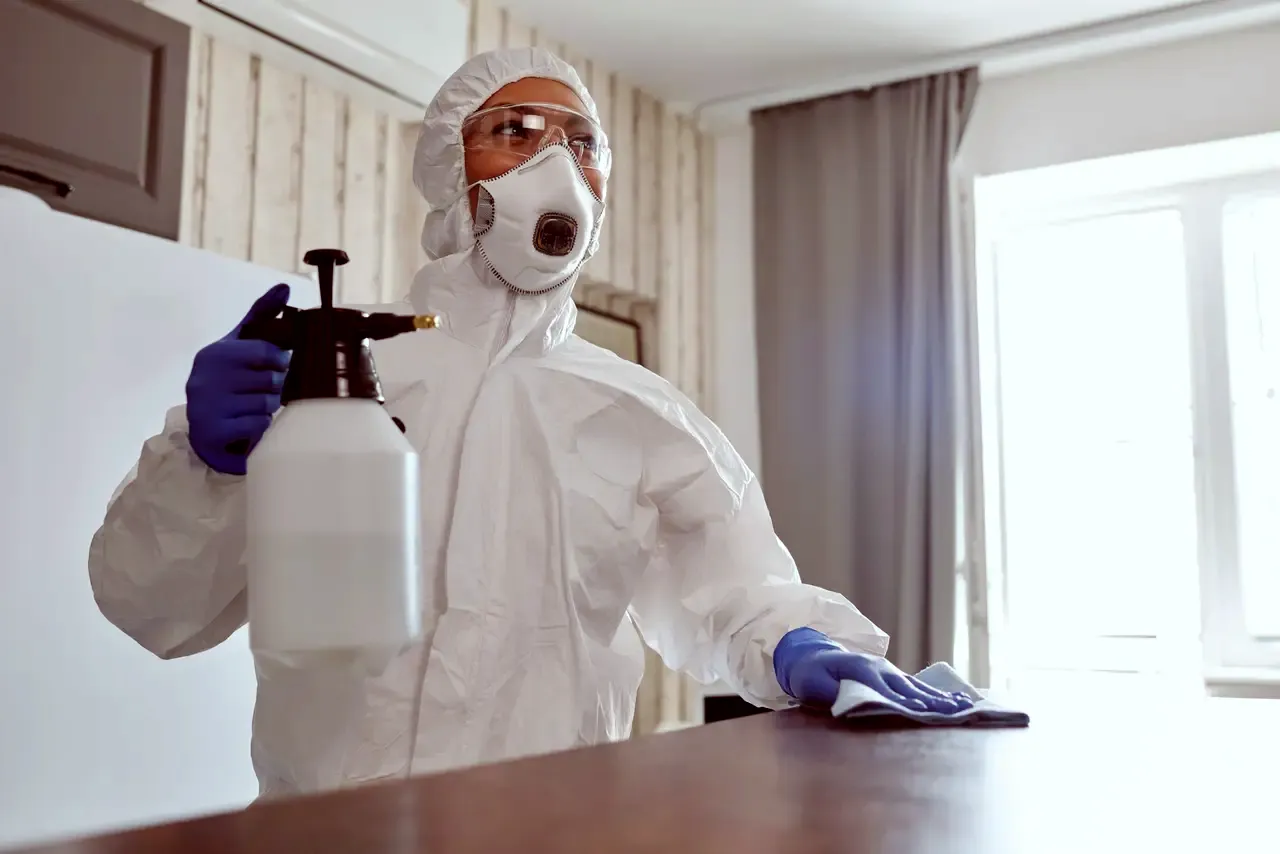
Before any product goes down, the provider should confirm bed bugs are present and map where they are. Some providers add a detection dog or a thermal camera to find hidden activity in Sterling Heights homes and apartments. The inspection decides which rooms are treated and which are not.
View service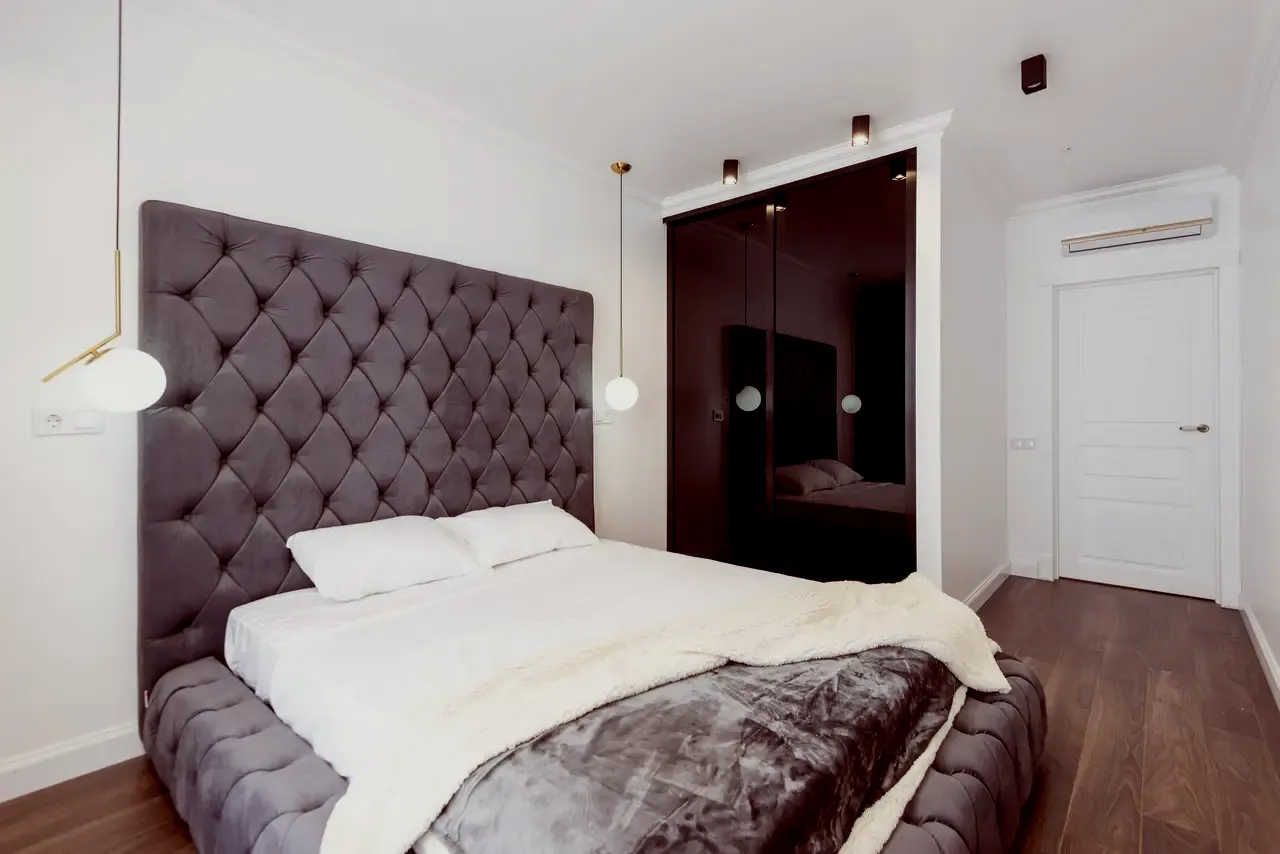
Heat treatment raises a home or apartment to a temperature that bed bugs and their eggs cannot survive. It may fit a badly infested room or furniture you would rather not spray. Many plans in Sterling Heights use heat in some rooms and chemical work in others.
View service
Multi-unit buildings call for a separate approach. A provider will usually treat the unit with bugs, check the apartments on every side of it and coordinate with the manager so the bugs are not pushed from one neighbor to the next. With 21.3 percent of Sterling Heights units in buildings of two or more units, this comes up regularly.
View service
Many infestations are closed out at the follow-up visit, when the provider reads the monitors, treats any spots still active and searches for live bugs. Ask whether follow-up visits are included in the chemical treatment cost.
View serviceYour call to this site's number goes through a call-tracking service, may be recorded, and is then connected with an independent local provider serving Sterling Heights. Calls are connected 7 a.m. to 1 a.m. Eastern Time (8 a.m. to 2 a.m. during daylight saving time). The provider books the inspection and sets the cost.